
Technical rigor in propeller maintenance
Preventive maintenance is the only guarantee of in-flight safety.
We run standardized protocols for early detection of fatigue, corrosion and structural failure, keeping your propeller compliant with current airworthiness directives.
- Technical inspection of the structure and internal components.
- Leak correction: permanent fix of grease and oil leaks.
- Deep cleaning of contaminants and operating residue.
- Precision balancing to protect the engine and airframe.
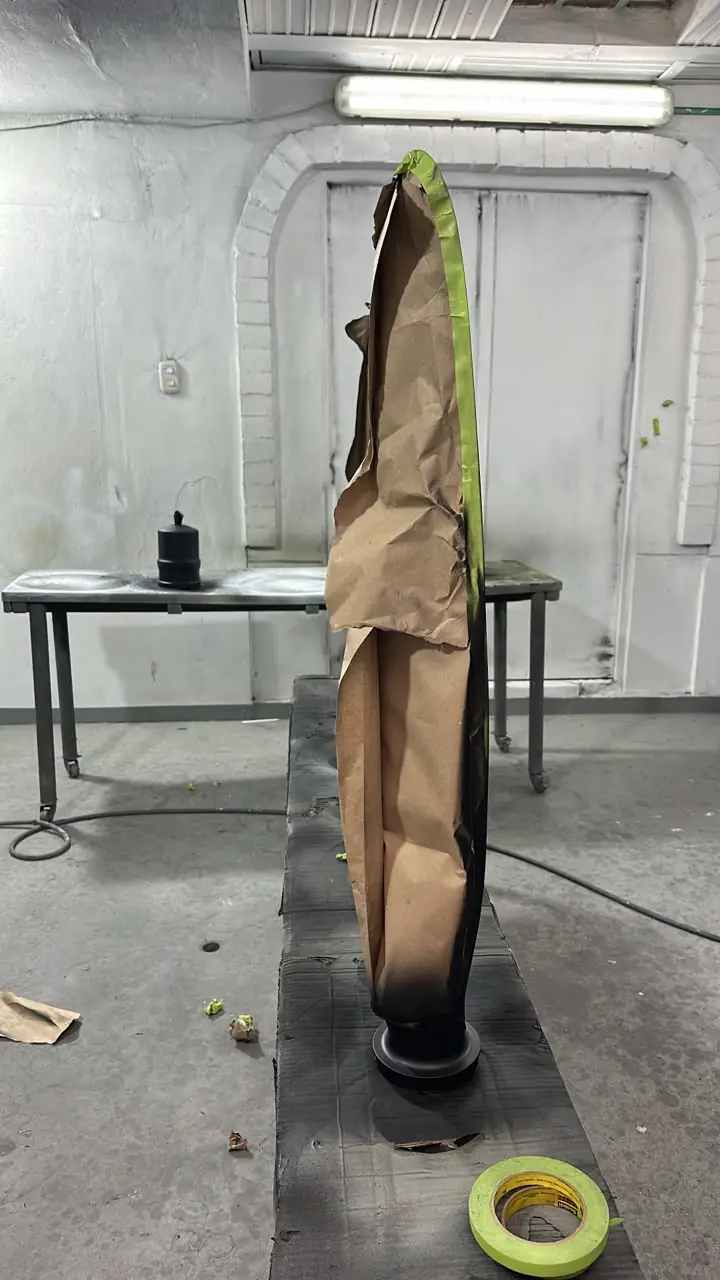
Surface corrosion treatment
Removal of oxidation and application of protective coatings per CMM.
Leading edge dressing
Removal of nicks and minor FOD damage, restoring the airfoil profile.
Blade angle adjustment
Precise pitch calibration for even, balanced thrust.
Traceability inspection
Review of records, part numbers and AD compliance.
Torque verification
Bolt and fastener torque checked against CMM values.
Hub lubrication and functional tests
Certified aviation greases and operating cycles to verify pitch change response.
Frequently asked questions
How often should a propeller be serviced?
Visual checks before every flight, detailed checks at 100-hour and annual inspections, and overhaul at the manufacturer's TBO.
What does a grease leak at the hub mean?
Usually failing internal seals. It must be evaluated right away because it can affect pitch change.
Can you service my aircraft at my hangar?
Yes, through our AOG field service.
Does your propeller need service?
Send us the propeller model, serial number and time since last overhaul on WhatsApp. We will reply with a preliminary assessment and a quote.